Process / Product quality benefits
- Lump‑free turmeric dispersion
- Reliable capsule filling performance downstream
- Consistent batch homogeneity every time
- Adjustable shear for formulation control

Content on this site is tailored by region. Pick the one that applies to you.
Mixing time decreased from 6-24 hours to 1-3 hours!
GET IN TOUCHTurmeric dietary supplements require consistent dispersion of fine powders into viscous carrier liquids to ensure capsule quality, dosage accuracy and downstream processing reliability. Incomplete dissolution can lead to blocked fillers, extended batch times and unnecessary filtration. Inline powder‑into‑liquid mixing technology enables rapid wetting, controlled shear and uniform suspension, supporting efficient nutraceutical manufacturing.
A major U.S. herbal supplement manufacturer producing turmeric capsules faced persistent mixing challenges. Their existing tank‑based dispersion process created undissolved solids that blocked encapsulation filler tips, forcing repeated shutdowns and filtration. Long processing times of up to 24 hours per batch increased downtime, labour and maintenance costs. The manufacturer required a faster, more reliable powder‑dispersion method that would ensure complete dissolution, stable product quality and reduced overall processing time.
The processor used a top‑entry high‑speed dispenser blade mixer within a tank to disperse 600 lb / 270kg of turmeric and powdered ingredients into 92 gallons / 350 litres of liquid lecithin. This approach caused:
Fristam recommended a Powder Mixer model with variable frequency drive, combining controlled powder induction via an FZX Liquid Ring Pump with intensive rotor‑stator blending from an FS Shear Blender. This inline configuration enables rapid wetting, lump‑free dispersion and adjustable shear for sensitive nutraceutical formulations. An on‑site production trial validated performance.
Trial set-up
1. Lecithin liquid base was circulated through the Powder Mixer.
2. Turmeric and powdered ingredients were added via the hopper and drawn directly into the liquid lecithin stream.
3. Immediate wetting of wet and dry ingredients formed a uniform premix without fisheyes or lumps.
4. The rotor‑stator shear blending from the FS Shear Blender produced a fully homogeneous suspension.
5. The finished product was transferred for encapsulation processing.
6. Cleaning completed using hygienic clean‑in‑place procedures.
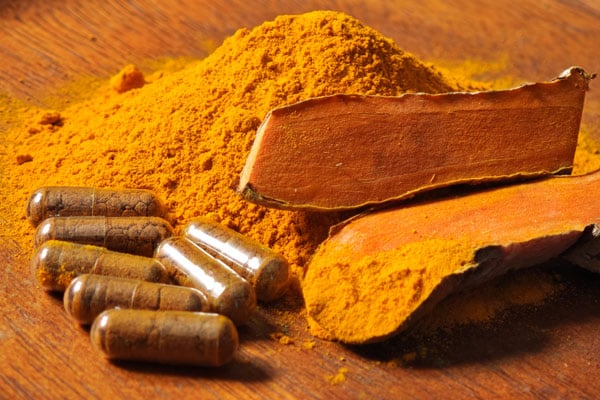
Batch processing time reduced from 6–24 hours to 1–3 hours, also eliminating undissolved solids and filler blockages. Improved product quality and rapid productivity gains led to immediate equipment purchase with estimated payback in approximately two months!
Please don’t hesitate to contact our customer support. We would be happy to answer any questions you may have about our case studies or similar challenges, and we will provide effective solutions tailored to your needs.
Comparable processing challenges occur in the preparation of herbal extracts, vitamin and mineral premixes, protein suspensions, collagen blends, fibre dispersions, probiotic formulations and plant-based nutrition systems, all of which require uniform particle distribution to ensure dosage accuracy and downstream filling reliability.
Beyond dietary supplements, similar inline mixing technology is also used for flavour emulsions, syrup bases, fortified beverages, liquid food additives and specialised health formulations, where incomplete dispersion can lead to sedimentation, filtration losses or inconsistent product performance.
Complete dispersion ensures a uniform active ingredient concentration throughout the suspension, which is essential for accurate capsule dosing, regulatory compliance and consistent product efficacy. Poor dispersion can leave undissolved particles that block encapsulation fillers, interrupt production and create batch-to-batch variability.
Inline powder induction provides instant wetting and rapid shear dispersion within a continuous liquid stream, eliminating the long hydration and circulation periods required in tank agitation. This significantly shortens total batch time while improving homogeneity and downstream processing stability.
Fisheyes typically form when fine hydrophobic powders contact liquid without sufficient shear or wetting energy, trapping dry material inside partially hydrated clusters. Without rotor-stator shear to fully break these structures, agglomerates remain in the final product and can cause filtration losses or filling blockages.
Yes. Variable-speed inline mixing allows precise adjustment of shear energy to balance rapid dispersion with protection of delicate functional compounds, flavours or bioactive components. This flexibility is particularly important in herbal, probiotic and protein-based formulations.
Effective high-shear dispersion minimises undissolved solids and particle clusters, significantly reducing or eliminating post-mix filtration steps. This improves product yield, lowers labour requirements and prevents loss of valuable active ingredients during processing.
ROI is typically achieved through a combination of shorter batch cycles, reduced downtime, lower labour demand, improved product yield and fewer rejected batches. In high-value supplement production, these gains can deliver payback within months rather than years.
Hygienic inline mixers are designed for full clean-in-place (CIP) operation, enabling validated cleaning without dismantling equipment. This supports regulatory hygiene requirements, reduces manual intervention and shortens turnaround time between supplement batches.
Common applications include turmeric, botanical extracts, vitamins, minerals, collagen, proteins, fibres, probiotics and functional plant ingredients. Any formulation requiring rapid wetting, uniform suspension and accurate dosing can benefit from controlled inline shear mixing.
Yes. Inline systems are commonly retrofitted into existing processing layouts with minimal disruption, connecting upstream ingredient preparation to downstream encapsulation, filling or storage while improving overall process reliability.
Upstream liquid handling often uses energy-efficient Fristam centrifugal pumps for low-viscosity carriers, while downstream transfer of thicker nutraceutical suspensions may require gentle positive displacement technologies such as Fristam twin-screw or Fristam rotary lobe pumps to maintain product integrity and stable flow to filling equipment.